
Common Disposable Vape Problems and Fixes
Table of Contents
- Disposable Vape Problems and Fixes: Quick Diagnostic Steps
- Dead or Depleted Battery Troubleshooting
- How to Unclog a Disposable Vape Mouthpiece and Airflow
- Fixing Burnt Taste and Coil Saturation Issues
- Device Not Firing or Producing Vapor
- Air Bubbles and Internal Leaks in E-Liquid
- Vape Safety and Disposal Regulations
- When to Replace Your Disposable Vape
- Frequently Asked Questions
Last Updated: September 20, 2026
Disposable Vape Problems and Fixes: Quick Diagnostic Steps
Common disposable vape problems fixes range from dead batteries to clogged airflow, and most can be resolved without replacing your device. Many problems have straightforward solutions.
Dead or Depleted Battery Troubleshooting
A dead battery is the most common reason a disposable vape stops working. The device may look fine, but if the battery is depleted, no amount of puffing will produce vapor.
Checking battery status and LED indicators
Most modern disposable vapes include an LED indicator light that shows battery status. Here's what to watch for:
- Blinking light: Usually means low battery or a sensor issue
- Solid light: Typically indicates the device is active and firing
- No light at all: Battery may be completely dead or the device has a hardware failure
When to recharge or replace
Not all disposable vapes are rechargeable. True single-use disposables cannot be recharged and must be replaced once the battery dies.
- Has a USB-C port? Recharge it using a standard USB-C cable. Most recharge fully in 30-60 minutes.
- No charging port visible? It's a true single-use disposable. You'll need to replace it.
- Battery won't hold a charge? Lithium-ion batteries degrade over time. After 200-300 charge cycles, expect reduced performance.
How to Unclog a Disposable Vape Mouthpiece and Airflow
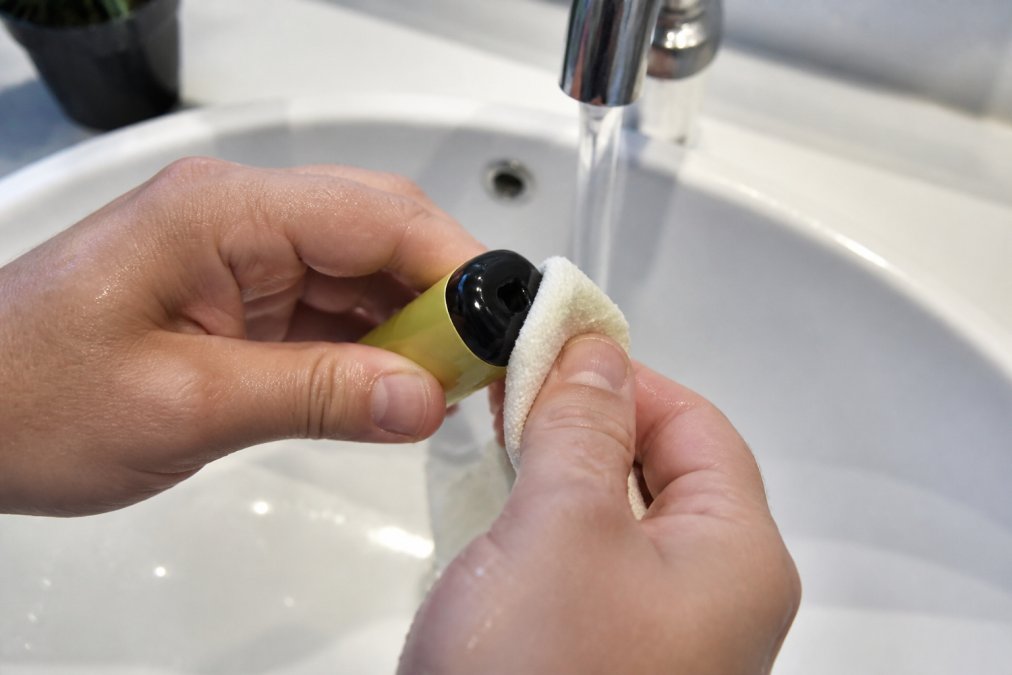
A clogged mouthpiece is the second most common problem. Condensation builds up inside the airflow path, blocking vapor from reaching your mouth. This happens naturally over time, especially in cold weather.
Identifying condensation and blockages
Condensation forms when warm vapor cools inside the device. You'll notice:
- Reduced vapor production even though the battery is full
- Difficulty drawing on the device (requires harder inhale)
- Gurgling sounds when you puff
- E-liquid visible inside the mouthpiece opening
Clearing airflow obstructions safely
Never use sharp objects or excessive force, as you can damage the internal wicking and airflow sensor.
For light condensation:
- Hold the device upright (mouthpiece pointing up)
- Use a dry paper towel or soft cloth to gently wipe the inside of the mouthpiece opening
- Tap the device lightly on the cloth to dislodge loose liquid
- Take a few test puffs to check airflow
For heavier buildup:
- Soak a paper towel in warm water (not hot)
- Gently insert the damp towel into the mouthpiece opening for 10-15 seconds
- Remove the towel and let the device air dry for 5 minutes
- Wipe the mouthpiece dry with a clean cloth
- Test the draw before using again
Fixing Burnt Taste and Coil Saturation Issues
A burnt taste means the coil is heating without enough e-liquid to vaporize. This damages the coil's wicking material and worsens with each puff.
Why burnt hits happen
Burnt taste occurs when:
- The e-liquid level is too low and the coil fires without liquid contact
- The coil has reached the end of its life (typically 5,000-10,000 puffs depending on the device)
- You're taking very long, hard draws that exceed the coil's saturation capacity
- The device has been stored in a hot environment, causing e-juice to thin and evaporate faster
The coil's wicking material absorbs e-liquid and delivers it to the heating element. Once the wicking is burnt, it cannot recover. Continued use will only produce worse burnt hits.
Prevention and recovery steps
To prevent burnt hits:
- Check the e-liquid level regularly. Most devices have a window or indicator.
- Take normal-length puffs (2-3 seconds). Longer draws stress the wicking.
- Store your device in a cool, dry place away from direct sunlight.
- Don't chain-vape. Wait 5-10 seconds between puffs to let the coil re-saturate.
If you get a burnt hit:
- Stop using the device immediately. Continuing will damage the coil further.
- Let the device rest for 10-15 minutes without puffing.
- Take a short test puff (1-2 seconds). If the burnt taste is gone, the coil has re-saturated.
- Resume normal use with shorter puffs and longer breaks between them.
If the burnt taste returns after resting, the coil is at the end of its life. The device will need to be replaced.
Device Not Firing or Producing Vapor
A device that won't fire has stopped responding to your inhale. This usually means the draw-activated sensor isn't working, or the battery is too low to power the heating element.
Checking draw-activated sensors
Most disposable vapes use a pressure-sensitive switch inside the mouthpiece. When you inhale, the switch activates and signals the battery to heat the coil.
If the device won't fire:
- Check the battery first. Press the button (if it has one) or take a hard draw. Does the LED light up? If no light appears, the battery is dead.
- Look for protective stickers. New devices sometimes ship with clear plastic films covering the mouthpiece air sensor. Remove any stickers you see.
- Ensure proper draw technique. Take a steady, moderate inhale (not too hard, not too soft). Very light draws may not trigger the sensor.
- Check for condensation in the sensor area. Moisture can block the sensor's pressure detection. Let the device dry in a warm room for 30 minutes.
Removing protective stickers and internal seals
Disposable vapes often ship with protective stickers to prevent accidental activation during shipping. These must be removed before use.
Look for:
- Clear plastic films on the mouthpiece opening
- Stickers covering air vents on the side of the device
- Protective seals inside the battery compartment (less common, but some high-end devices have them)
Air Bubbles and Internal Leaks in E-Liquid
Air bubbles in the e-liquid tank reduce vapor production and can cause burnt hits. Internal leaks allow e-liquid to escape into the battery compartment, damaging the device.
To remove air bubbles:
- Hold the device upside down (mouthpiece pointing toward the floor) for 30 seconds
- Tap the device gently on a soft surface to dislodge bubbles
- Flip the device right-side up and wait 2 minutes
- Take a few short test puffs
For internal leaks:
Vape Safety and Disposal Regulations
Disposable vapes contain lithium-ion batteries and flammable e-liquid. Proper handling and disposal are essential for safety and environmental protection.
Understanding lithium-ion battery hazards
Lithium-ion batteries power nearly all modern disposable vapes. These batteries are safe when used normally, but pose risks if damaged or exposed to extreme heat.
Hazards include:
- Thermal runaway: If the battery is damaged or short-circuits, it can overheat rapidly and ignite. This releases flammable vapor and can cause burns.
- Chemical leakage: Damaged batteries may leak corrosive electrolyte that damages skin and eyes.
- Fire in landfills: When crushed in garbage trucks or landfills, damaged batteries can ignite and cause fires.
To minimize risk:
- Store devices in cool, dry conditions
- Never puncture or disassemble the battery
- Don't expose devices to extreme heat (above 60°C) or cold (below 0°C)
- If a device is damaged, stop using it immediately
Proper disposal and recycling requirements
In Canada, lithium-ion batteries and vaping devices must be recycled, not thrown in household garbage. Many provinces have specific regulations governing e-waste disposal.
Check your local municipality for:
- Hazardous waste collection days
- Electronics recycling programs
- Retail take-back programs (some vape shops accept old devices)
Spotting counterfeit devices
Counterfeit vapes use inferior materials, unregulated e-liquid, and poorly manufactured batteries. They pose serious safety and health risks.
Signs of a counterfeit device:
- Spelling errors or poor print quality on the packaging
- Price significantly lower than authorized retailers
- Missing or unclear batch codes or serial numbers
- Packaging that feels cheap or flimsy
- No QR code linking to the manufacturer's verification system
| Issue | Quick Check | Solution |
|---|---|---|
| Dead battery | LED won't light or screen shows 0% | Recharge if USB-C port present; replace if single-use |
| Clogged airflow | Reduced vapor, hard draw | Wipe mouthpiece, soak in warm water, air dry |
| Burnt taste | Acrid flavor, dark coil visible | Stop using immediately, rest 10-15 minutes |
| Won't fire | No vapor despite full battery | Remove protective stickers, check draw technique |
| Air bubbles | Weak vapor, inconsistent hits | Hold upside down, tap gently, wait 2 minutes |
| Internal leak | Liquid visible in mouthpiece or battery area | Replace device immediately |
When to Replace Your Disposable Vape
Most disposable vapes last between 5,000 and 10,000 puffs before the coil burns out or the battery depletes. Some premium devices claim up to 25,000 puffs, but this depends heavily on how you use the device.
Replace your device if:
- The burnt taste persists after letting it rest
- The battery won't hold a charge (rechargeable models only)
- The device leaks internally
- The draw-activated sensor stops responding
- The LED indicator shows a critical error (red flashing, for example)
Frequently Asked Questions
Why is my brand-new disposable vape not producing vapor?
New disposable vapes often have protective stickers or internal seals that block airflow or prevent the draw-activated sensor from firing. Remove any visible stickers from the mouthpiece and air vents. If vapor still doesn't appear, try taking a slower, deeper draw to activate the sensor. Check the LED indicator for battery status; if it's not lighting up, the device may have a defective battery and should be replaced.
What should I do if my disposable vape tastes burnt?
A burnt taste usually means the coil is saturated or the atomizer is overheated. Stop vaping immediately and let the device cool for 10-15 minutes. Reduce your puff frequency and take shorter draws to allow the wicking to re-saturate with e-liquid. If the burnt taste persists after cooling, the coil has likely reached the end of its lifespan and the device should be replaced. Avoid chain-vaping, which accelerates coil burnout.
How do I properly dispose of a faulty vape according to local regulations?
Disposable vapes contain lithium-ion batteries and e-liquid waste, making them hazardous. Never throw them in regular household trash. Contact your local waste management facility or recycling depot to find e-waste or battery recycling programs in your area. Many retailers, including specialty vape shops, may accept faulty devices for proper disposal. Remove any protective stickers and ensure the device is cool before handing it over for recycling.
Can a blocked airflow cause a disposable vape to stop working?
Yes, blocked airflow is one of the most common reasons disposable vapes stop producing vapor. Condensation, e-liquid residue, or debris can clog the mouthpiece or internal airflow sensor. Clean the mouthpiece gently with a soft, dry cloth or slightly dampened cloth. Check air vents for blockages and clear them carefully. If the device has an airflow slider, adjust it to the highest setting. After cleaning, wait a few minutes and try again.
Troubleshooting a disposable vape doesn't require technical expertise. Most common problems with disposable vapes and fixes involve simple maintenance or recognizing when a device has reached the end of its life. If you're experiencing issues that these steps don't resolve, visit Bay Roberts Vape and Glass Shop in person or contact our team online. We're here to help you find the right solution and ensure you're using authentic, high-quality devices safely.