
Handle Vaping Cravings at Work: A Practical Guide
Table of Contents
- Why Vaping Cravings Hit Harder at Work
- How Long Do Nicotine Cravings Last and What to Expect
- Identify Your Vaping Triggers Before Your Shift Starts
- What to Do Instead of Vaping on Your Work Break
- Workplace-Specific Craving Strategies: A Minute-by-Minute Plan
- Quit Vaping Support: When to Reach Out and Where
- Handling Social Pressure and Workplace Policies
- Frequently Asked Questions
Last Updated: October 16, 2026
Why Vaping Cravings Hit Harder at Work
Work is where nicotine cravings become most intense.
You're managing deadlines, meetings, and interpersonal dynamics while fighting the urge to reach for your device. The first days back after a weekend are often hardest because routine reactivates established patterns.
Understanding why work amplifies vaping cravings at work is the first step. Your workplace holds dozens of small triggers: your usual vape break, stress from a difficult conversation, seeing colleagues who vape, or simply clocking in.
At Bay Roberts Vape and Glass Shop, we understand the challenges of managing cravings during work hours. Once you know your specific triggers, you can prepare strategies in advance.
How Long Do Nicotine Cravings Last and What to Expect
Nicotine cravings typically last three to five minutes, shorter than most people expect. Distract yourself or use a coping strategy for a few minutes and the acute craving subsides.
Cravings are strongest in the morning and during usual break times. As your body adjusts over days and weeks, frequency and intensity decrease, though cravings may return during stress or a strong trigger.
Cravings follow a predictable pattern: they build over a few seconds, peak around the two-minute mark, then fade. Knowing this timeline shows the feeling is temporary and manageable.
Identify Your Vaping Triggers Before Your Shift Starts
Spend a few days logging when cravings hit: the time, what you were doing, and what you felt. Look for patterns, after a stressful email, at your usual break, or between meetings.
Once you know your triggers, plan a strategy for each. If morning stress is the trigger, prepare a calming activity for your first hour.
Write your triggers down and keep the list visible, taped to your monitor or saved on your phone. Documenting them makes them feel less overwhelming.
What to Do Instead of Vaping on Your Work Break
Break time is when cravings often peak because your body expects its usual nicotine reward. Instead of reaching for your device, use a replacement activity that's satisfying, discreet, and available at work.
Discreet in-the-moment techniques
When a craving hits at your desk or in a meeting, you need something discreet. Deep breathing is among the most effective: inhale through your nose for four counts, hold for four, exhale through your mouth for four.
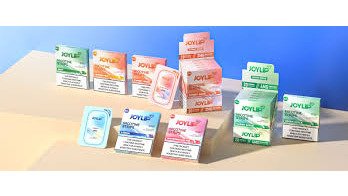
Nicotine strips offer another discreet option. Joy lip nicotine strips, available at Bay Roberts Vape and Glass Shop for $11.99, dissolve on your tongue in under three minutes and deliver fast-acting nicotine relief without any smoke, vapour, or residue.

Another discreet technique is "urge surfing": acknowledge the craving without acting on it. Tell yourself, "I notice the craving. It will pass in a few minutes." Watch it like a wave, it rises, peaks, and falls.
Activities you can do at your desk
Chewing sugar-free gum provides oral stimulation and keeps your mouth and hands occupied, mimicking the habit of vaping without deepening nicotine dependence.
Drinking water is underrated but effective. When a craving hits, drink a full glass of cold water slowly, the sensation and the time it takes interrupt the craving cycle. Keep a water bottle at your desk.
Crunchy snacks like carrots, apples, or nuts provide similar oral satisfaction and are socially acceptable to eat at work.
If you have privacy, do five minutes of gentle stretching at your desk, stand, roll your shoulders, stretch your neck and arms. Movement interrupts the craving pattern and reduces stress at once.
Workplace-Specific Craving Strategies: A Minute-by-Minute Plan
Most quitting advice assumes you can pace, snack, or step outside. At work you often cannot leave a meeting, a till, a call, or a shared desk. This plan is built for those constraints: a discreet five-minute protocol you can run without leaving your workstation, plus adaptations for the hardest situations.
The five-minute desk protocol
Use this when a craving hits and you cannot leave your post.
Minute 1, Change your breathing. Breathe in through your nose for four, hold for four, and out through your mouth for six.
Minute 2, Change one physical thing. Take a slow sip of cold water, uncross and recross your legs, roll your shoulders, or adjust your chair.
Minute 3, Give your mouth and hands a job. If you use an approved oral substitute such as gum, a lozenge, or a nicotine strip, this is the moment. If not, sip water, chew sugar-free gum, or hold a pen, give the habit loop a replacement action rather than a vacuum.
Minute 4, Re-engage with a defined task. Open the next email, rewrite one sentence, or make one note.
Minute 5, Check in. Rate the craving from 1 to 10. Most people find it has dropped by a point or two.
Adapting the protocol to specific work situations
In a meeting or on a video call. Use breathing and the water sip only. Keep a glass or bottle within reach so the sip looks ordinary.
Customer-facing and retail roles. You usually cannot step away mid-transaction.
Driving or mobile roles. Keep water and an approved oral substitute within reach, use hands-free breathing exercises at stops, and plan pull-over points for the moments you would normally have vaped.
Remote and hybrid work. The home office removes the audience but adds access to your device.
Preparing before the workday starts
A minute-by-minute plan only works if the tools are already in place. A practical workday checklist:
- Pack an approved oral substitute or nicotine replacement product, if you use one, and check that it is permitted at your workplace.
- Fill a water bottle and keep it at your desk or station.
- Identify your two highest-risk times of day and block a short walk or task for each.
- Save your trigger list and this protocol on your phone so you do not have to think during a craving.
- Know your break schedule and where you can go if you need to step away.
Quit Vaping Support: When to Reach Out and Where
Professional support significantly increases your chances of quitting vaping. Many people attempt it alone and struggle without structured guidance and accountability.
Your primary care physician can discuss whether nicotine replacement therapy or other medications might help, and can refer you to counseling or quit-smoking programs, many of which are adapted for vaping.
Community quit-vaping programs often provide free or low-cost group sessions, one-on-one coaching, and tools. A quit-vaping helpline gives immediate support when a craving or stress feels overwhelming.
At Bay Roberts Vape and Glass Shop, our team understands the challenges of managing nicotine dependence.
Handling Social Pressure and Workplace Policies
Social pressure and unclear rules are two of the most common reasons a workday quit attempt falls apart. Colleagues who vape, smoke breaks that double as social time, and uncertainty about workplace rules all make it harder. Decide your responses and policy questions before you need them.
Scripts for declining offers without a lecture
You do not owe anyone a medical explanation. Short, friendly, repeatable lines work best because they end the conversation rather than invite debate:
- "I'm taking a break from it right now, but I'll come out with you."
- "I'm good, thanks, I'm trying to cut back."
- "Not today, but grab me on the way back."
- "I'm skipping the vape break but I'll walk down with you."
If someone presses, repeat the same line rather than adding new reasons, a consistent answer is harder to argue with. If a colleague offers a device directly, "No thanks, I'm off it" is enough.
Navigating vape-free rules and break policies
Workplace vaping rules vary widely: some employers prohibit it entirely, some restrict it to designated outdoor areas, and some have no written policy. Before your first craving-heavy shift, find out which applies to you:
- Check your employee handbook, intranet, or onboarding materials for a smoking and vaping policy.
- Ask your manager or human resources what the policy is if it is not written down.
- Confirm whether nicotine replacement products such as gum, lozenges, or strips are permitted at your workstation, since some policies treat all nicotine products the same way.
- Find out your break entitlements and whether you can take short, unscheduled breaks.
A vape-free policy can work in your favor. When the option is removed, the brain stops treating vaping as an available choice, and many people find the urge easier to dismiss. If your workplace allows vaping, ask to be scheduled away from the areas where colleagues vape, or adjust your break times to avoid the heaviest trigger windows.
Asking for support or an adjustment
If cravings are affecting your work, you can raise it without disclosing more than you want to. A practical request sounds like: "I'm cutting back on vaping and the first couple of weeks are tough. Could we shift my break to a different time, or could I take a short walk instead of the group break?"
If your workplace has an employee assistance program, occupational health contact, or wellness benefit, ask what quit support it includes. Many extended health plans cover prescription smoking-cessation products and counseling; check your plan booklet or call the number on your benefits card.
Handling the social side of smoke and vape breaks
Breaks are where habits and relationships overlap. You do not have to give up the social contact to give up the vape. Walk out with the group and then step away from the smoking area, or use the time to talk to a different colleague.
If stress is the real trigger behind the social pressure, name it. A difficult client, a tight deadline, or a tense team meeting can make a colleague's offer feel harder to refuse. A two-minute reset after stressful interactions, a breath count or a short walk, reduces the chance that the offer lands when your guard is down.
Frequently Asked Questions
How long do vaping cravings usually last at work?
Most nicotine cravings peak within 3-5 minutes and subside within 15-30 minutes, even without intervention. At work, the craving duration often shortens when you distract yourself with a task or activity. Understanding this timeline helps: if you can occupy yourself for the first 5 minutes when the urge is strongest, you're likely past the worst of it. Cravings tend to weaken over days and weeks as your body adjusts to lower nicotine levels.
What can I do on a work break instead of vaping?
Replace vaping with activities that occupy your hands and mind: take a short walk outside, drink water or herbal tea, chew gum or eat a healthy snack, do breathing exercises at your desk, stretch, or engage in a brief conversation. Physical movement is especially effective because it redirects your nervous system and reduces the psychological association between breaks and vaping. Even a 2-minute walk can interrupt the craving cycle and reset your focus.
How do I avoid vaping triggers at work?
Start by identifying your specific triggers: stress, breaks, social situations, or boredom. Once you know them, plan ahead. If stress triggers cravings, practice deep breathing before high-pressure meetings. If breaks are your weak point, schedule an alternative activity. If coworkers vape, take your break at a different time or location. Keep your workspace organized to reduce visual reminders. Nicotine replacement therapy, like nicotine strips available at Bay Roberts Vape and Glass Shop for $11.99, can also help manage triggers by providing quick relief when temptation strikes.
Where can I find quit vaping support if I'm struggling at work?
Several resources are available: speak with your doctor or a healthcare professional about nicotine replacement therapy options, contact Smokers' Helpline (1-877-513-5333) for free counseling, or visit Health Canada's resources on quitting smoking and vaping. Many workplaces also offer employee assistance programs (EAP) with counseling services. Local shops like Bay Roberts Vape and Glass Shop can guide you toward harm-reduction products and provide personalized advice on managing cravings throughout your day.