
How Long Do Vape Batteries Last for Beginners
Table of Contents
- Understanding Vape Battery Capacity and mAh
- How Long Do Vape Batteries Last: Typical Lifespan
- Factors Affecting Vape Battery Lifespan
- How to Extend Vape Battery Life
- Signs of a Failing Vape Battery
- Vape Battery Safety Guidelines
- When to Replace Your Vape Battery
- Frequently Asked Questions
Last Updated: September 29, 2026
Understanding Vape Battery Capacity and mAh
mAh stands for milliamp-hours. It measures how much electrical charge a battery can hold. Think of it like the fuel tank in a car, a bigger tank holds more fuel.
For vape devices, mAh tells you how long do vape batteries last for beginners and experienced users before needing a charge. A 1500mAh battery holds more charge than a 1100mAh battery. That means it powers your device longer between charges.
Most beginner vape batteries range from 1000mAh to 2000mAh. The UWELL AEGLOS H2 pod kit at Bay Roberts Vape and Glass Shop features a 1500mAh battery, which works well for new vapers who want reliable all-day power without constant recharging.
Capacity is just one part of the story. A battery with higher mAh doesn't always last longer in real use. Wattage settings, discharge rate, and how often you charge it all play a role. Understanding these factors helps you get the most from your battery.
How Long Do Vape Batteries Last: Typical Lifespan
A typical vape battery lasts 300 to 500 charge cycles before noticeable degradation begins. One charge cycle means going from fully charged to fully depleted and back to full again.
If you charge your battery once daily, expect 10 to 16 months of regular use before performance drops. Some users see longer lifespans by charging more carefully. Others experience faster decline if they ignore maintenance.
Real-world lifespan depends on several variables:
- How many times you charge per week
- Whether you let it fully drain before charging
- Storage temperature and conditions
- Wattage settings during use
- Battery type (lithium-ion vs. other chemistries)
Most vapers notice their battery starting to hold less charge around the 12-month mark. At this point, the battery still works but won't last as long between charges. This is normal degradation, not a defect.
Battery degradation is gradual. Your device won't suddenly stop working. Instead, you'll notice it needs charging more frequently. When recharge cycles become inconvenient, replacement time has arrived.
Factors Affecting Vape Battery Lifespan
Charge cycles and degradation
Every time you charge a lithium-ion battery, you trigger a chemical reaction inside. These reactions cause tiny damage that builds up over time. After hundreds of cycles, the battery loses capacity.
Charge cycles are counted differently than you might expect. Charging from 50% to 100% counts as half a cycle. Charging from 0% to 100% counts as one full cycle. Understanding this helps you track battery health accurately.
Degradation accelerates under certain conditions:
- Charging to 100% repeatedly stresses the battery more than stopping at 80%
- Letting the battery fully drain (0%) before recharging damages it faster
- Charging in cold temperatures slows the chemical process and causes harm
- Charging in hot environments speeds up degradation significantly
The Yocan Rex at Bay Roberts Vape and Glass Shop includes USB-C charging, which allows for faster, safer charging compared to older micro-USB connections. Modern charging ports help protect your battery during the charge cycle.
Wattage settings and discharge rate
Higher wattage pulls more current from the battery. More current means faster chemical reactions and more heat inside the battery. This accelerates degradation.
Running your device at 30W stresses the battery less than running it at 60W. The difference compounds over weeks and months. A device used at lower wattage consistently will outlast one used at high wattage.
Discharge rate describes how quickly the battery releases its stored energy. Fast discharge generates more heat. Heat is the enemy of battery lifespan.
Understanding your device's wattage range helps you choose realistic settings. The Vaporesso Gen Max Mod delivers adjustable power from 5W up to 220W. New users should start at lower wattage and increase gradually. This approach extends battery life while you learn your device.

Temperature impact on battery chemistry
Lithium-ion batteries are sensitive to temperature. Cold slows the chemical reactions inside. Heat speeds them up and causes damage.
Ideal storage temperature is between 15°C and 25°C. Charging a battery in a cold room (below 10°C) can cause temporary performance loss. Charging in a hot car (above 35°C) causes permanent damage that shortens overall lifespan.
Winter storage requires special care. Don't leave your device in a cold car overnight. Summer heat is equally harmful. Keep your battery in a cool, dry place away from direct sunlight.
Temperature swings are worse than steady conditions. A battery stored in a heated room then moved outside repeatedly suffers more damage than one kept at constant temperature. Stable conditions mean longer battery life.
How to Extend Vape Battery Life
Charging best practices
Charge your battery before it fully drains. Waiting until 0% before charging causes more damage than topping up at 20%. This simple habit extends battery lifespan by months.
Use the correct charger for your battery type. External chargers designed for your specific battery chemistry are safer and more effective than random USB chargers. Proper chargers regulate voltage and current to protect the battery.
Avoid overcharging. Don't leave your battery plugged in overnight. Most modern chargers stop charging when full, but heat still builds up during that time. Unplug once the battery reaches 100%.
Charge slowly when possible. Fast charging generates more heat. If your device supports pass-through charging (using it while plugged in), avoid this feature regularly. Reserve fast charging for emergencies only.
Monitor charging temperature. The battery should feel slightly warm, not hot. If it gets too hot to touch comfortably, stop charging and let it cool.
Storage and maintenance tips
Store batteries in a cool, dry place. A drawer at room temperature is ideal. Avoid humid bathrooms and hot kitchens.
Keep the battery contacts clean. Dirt and residue on the connection points reduce charging efficiency. Wipe contacts gently with a dry cloth every few weeks.
Store batteries partially charged if you won't use them for weeks. A battery stored at 0% or 100% degrades faster than one stored at 50%. This applies to long-term storage especially.
Inspect the battery wrap regularly. Tears or damage in the wrap expose the battery to moisture and oxidation. Replace damaged wraps immediately using quality battery wraps designed for your battery size.
Don't store batteries loose in pockets or drawers with metal objects. Metal can create short circuits. Use a battery case or pouch when traveling.
Rotate your batteries if you have multiple devices. Using one battery constantly while others sit idle balances wear across all batteries. This extends the usable life of your entire battery collection.
Signs of a Failing Vape Battery
Watch for these warning signs that your battery needs replacement soon.
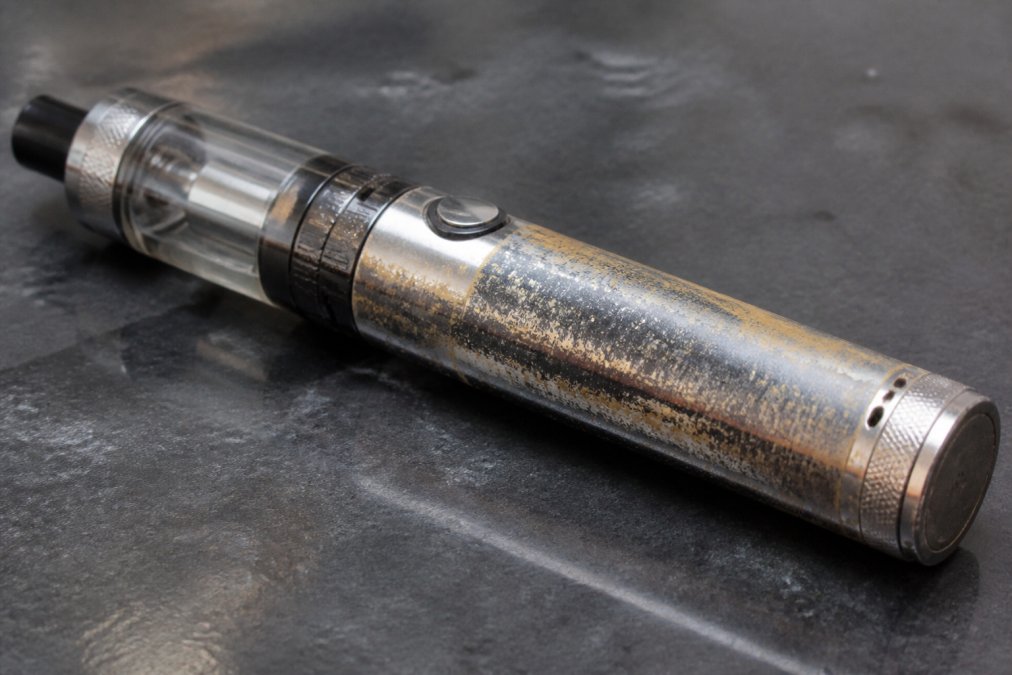
Reduced runtime between charges is the most obvious signal. If your battery used to last eight hours and now lasts four, degradation is progressing. This happens gradually but becomes noticeable over weeks.
Slower charging speed suggests internal resistance is increasing. A battery that used to charge in two hours now takes three hours.
Vape Battery Safety Guidelines
Preventing short circuits and thermal runaway
A short circuit happens when positive and negative terminals touch. This creates a dangerous surge of current that can cause the battery to overheat rapidly.
Proper battery wrap and handling
Battery wrap protects the battery from moisture and prevents short circuits. Inspect your battery wrap monthly for tears, peeling, or damage.
When to Replace Your Vape Battery
Replace your battery when it no longer meets your needs, not necessarily when it fails completely. A degraded battery that works but requires constant recharging is ready for replacement.
Frequently Asked Questions
How many months does a vape battery typically last?
Most vape batteries last 6 to 12 months with regular use before capacity noticeably drops. Lifespan depends on charge cycle frequency, a battery rated for 300-500 cycles will degrade faster if charged daily versus every few days. Factors like wattage settings, storage conditions, and how you charge the battery significantly impact how long it remains effective. Beginners often see batteries hold strong for 8-10 months if they follow proper charging and storage practices.
How do I know if my vape battery is dying?
A failing vape battery shows reduced runtime between charges, requiring recharging after fewer puffs than before. You may notice slower ramp-up time, inconsistent vapor production, or the device shutting off unexpectedly even when the battery appears charged. Some batteries vent or swell, which is a safety hazard and requires immediate replacement. If your device feels hotter than usual or the battery wrap is damaged or discolored, stop using it and replace the battery right away.
Does charging my vape overnight ruin the battery?
Charging overnight occasionally won't immediately ruin the battery, but it accelerates degradation over time. Lithium-ion batteries degrade faster when held at full charge for extended periods. Best practice is to unplug once fully charged, typically within 2-3 hours. If you must charge overnight, use a charger with an auto-shutoff feature. For beginners, developing a habit of charging during the day and unplugging promptly extends battery lifespan by several months.
What factors affect how long a vape battery lasts per charge?
Higher wattage settings drain batteries faster, running at 60W uses power much quicker than 20W. Ambient temperature matters too; cold conditions reduce performance while heat accelerates degradation. Battery capacity (measured in mAh) determines total runtime; a 1500mAh battery like the Aeglos H2 lasts longer per charge than a 1100mAh unit. Coil resistance and your puffing frequency also impact discharge rate. Beginners should start at lower wattages to maximize battery life between charges.